
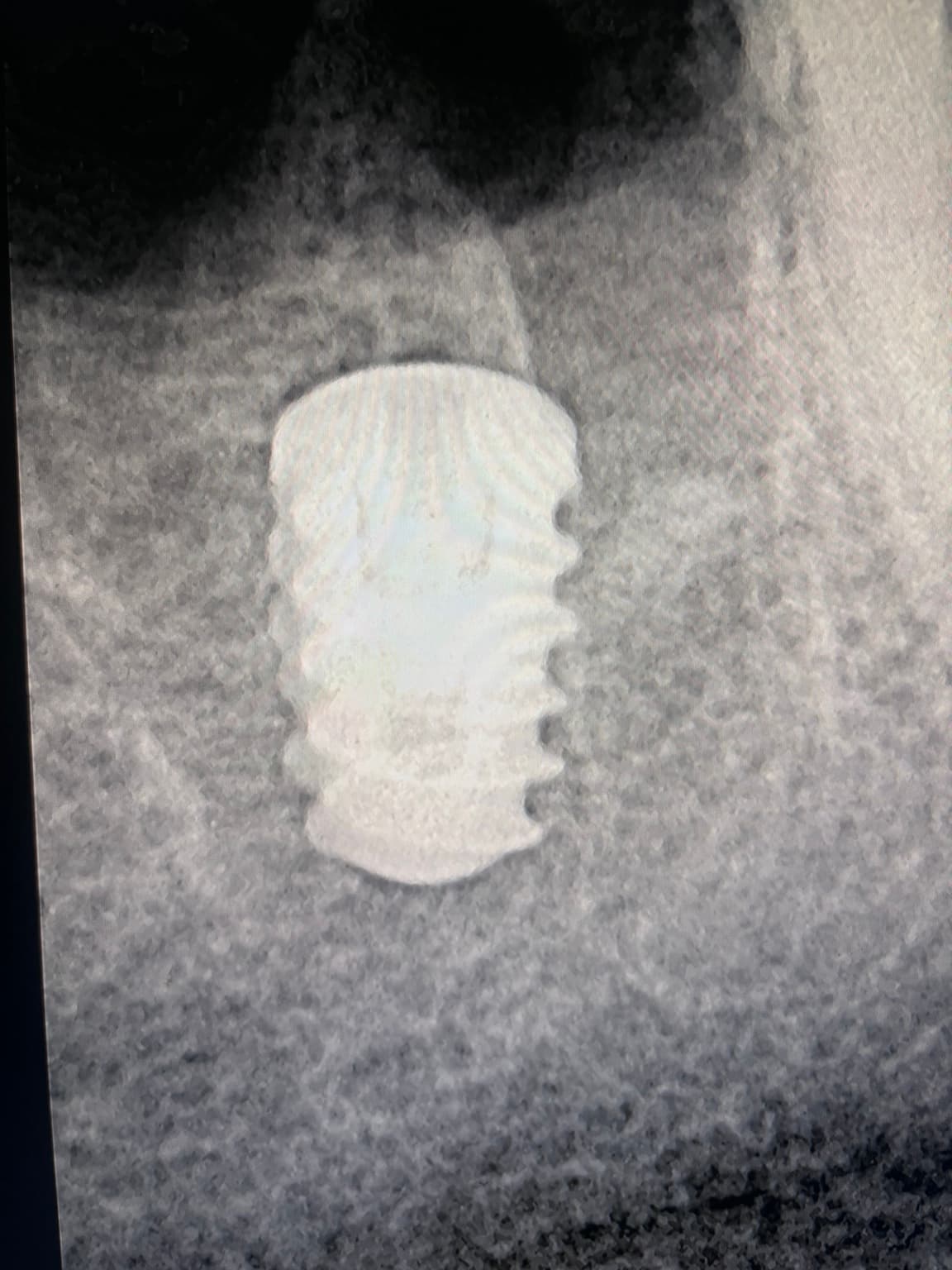
Talk about dental implants in Amman and Jordan sometimes mixes two ideas: placing the implant soon after an extraction, and leaving with a finished-looking tooth. Immediate and conventional (delayed) implants are two ways to put an artificial root in bone. Which path fits is a clinical decision, not a package. Assessment is explained on the dental implants page.
What is immediate implant placement?
Immediate placement means the implant goes into the socket shortly after the tooth is removed — often in the same visit — if bone shape allows and infection does not block a clean hold. The implant is in bone. That does not automatically mean a final crown the same day.
What is conventional or delayed placement?
Conventional or delayed placement means waiting until the extraction site has healed, then placing the implant in bone that is more settled. The wait is not one number; it can be weeks to months, depending on the site, past inflammation, and bone density.
When can an implant go in right after extraction — and when not?
- Socket walls that can still wrap the implant
- No active pus or acute infection that would leave an unclean bed
- Enough bone for primary stability when the implant is seated
- Gum that can be closed or supported around the neck
If a wall is missing, infection is active, or the implant will not hold when tightened, waiting, grafting, or another path is clearer. Immediate placement is not suitable after every extraction.
Bone, gums, infection, and primary stability
An implant needs a firm mechanical hold at placement (primary stability), then living bone to integrate over time (osseointegration). Thin or receding gums change how the neck will look later. Untreated inflammation raises the chance that healing fails. Those facts matter more than the label “immediate”.
When is bone grafting discussed?
If a gap remains around the implant or the bone is thin, a graft may be discussed in the same visit or as a separate stage. Grafting adds complexity and time; it is explained before consent, not as a surprise after the extraction.
Advantages and limits of each path
Immediate implants can reduce the number of surgeries and help keep socket contour in selected cases. Limits: not every inflamed or broken socket qualifies, and a temporary tooth — if used — must not overload the implant. Conventional implants are clearer when bone needs time; the limit is a longer wait and sometimes a separate extraction visit.
Immediate placement is not immediate loading
Placing the implant soon after extraction (immediate placement) is one decision. Attaching a temporary restoration shortly afterwards (immediate loading) is another. Immediate loading needs high primary stability and a bite that will not crack the implant during early healing. Many cases receive an immediate implant and then no heavy crown until bone has integrated. “A finished tooth the same day” is not the same as immediate vs delayed implant placement.
Why the right choice depends on the case
Immediate versus conventional placement is not settled by an advert. Examination and imaging show the socket and neighbouring bone. On the dental implants page we explain which path fits your situation in Amman, including when waiting is safer. You can book an appointment or contact us to start the assessment.