
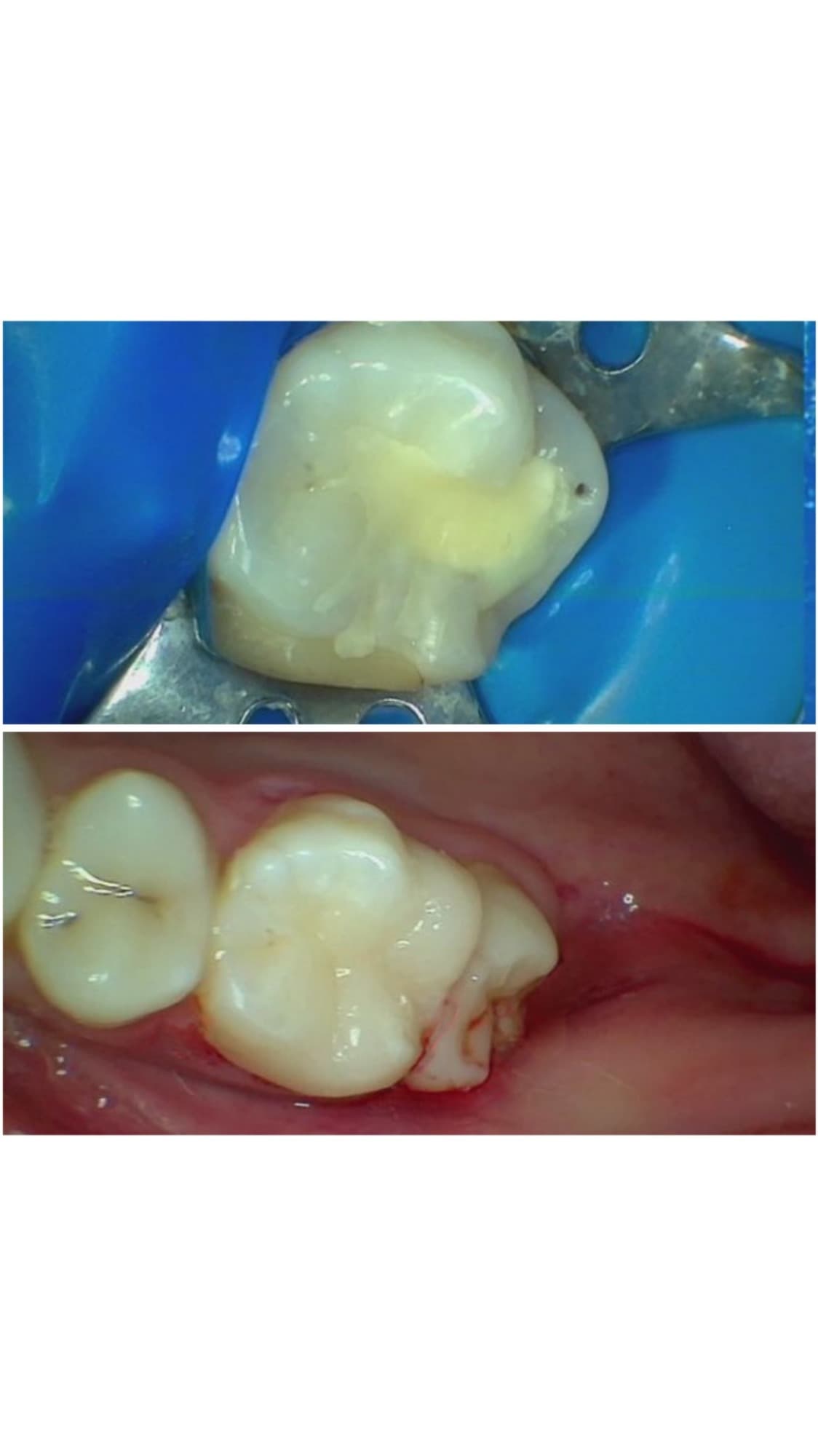
Dental Fillings
Restoring decay and small fractures while keeping as much natural tooth as possible.
Learn moreKeeping the tooth when possible
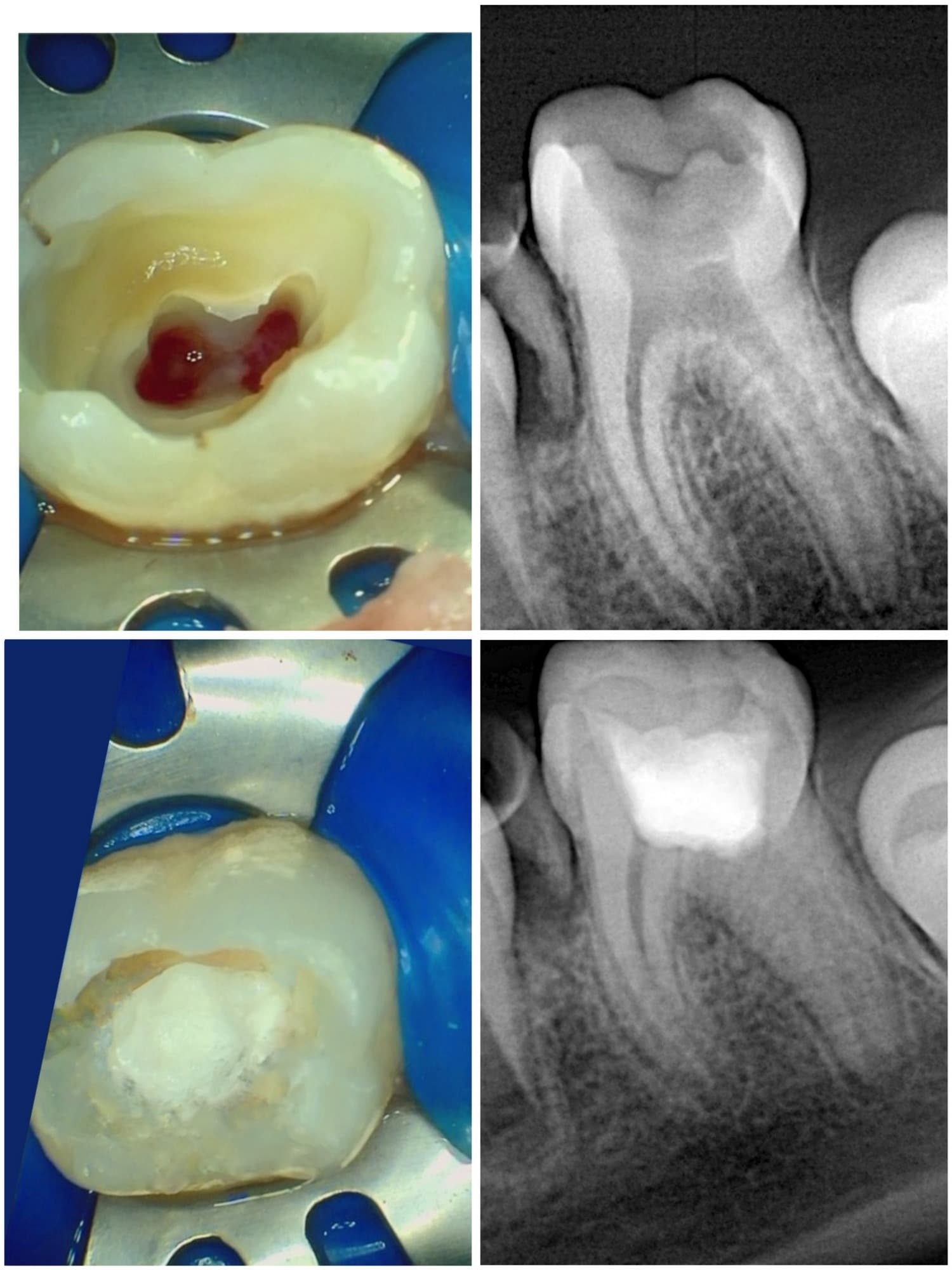
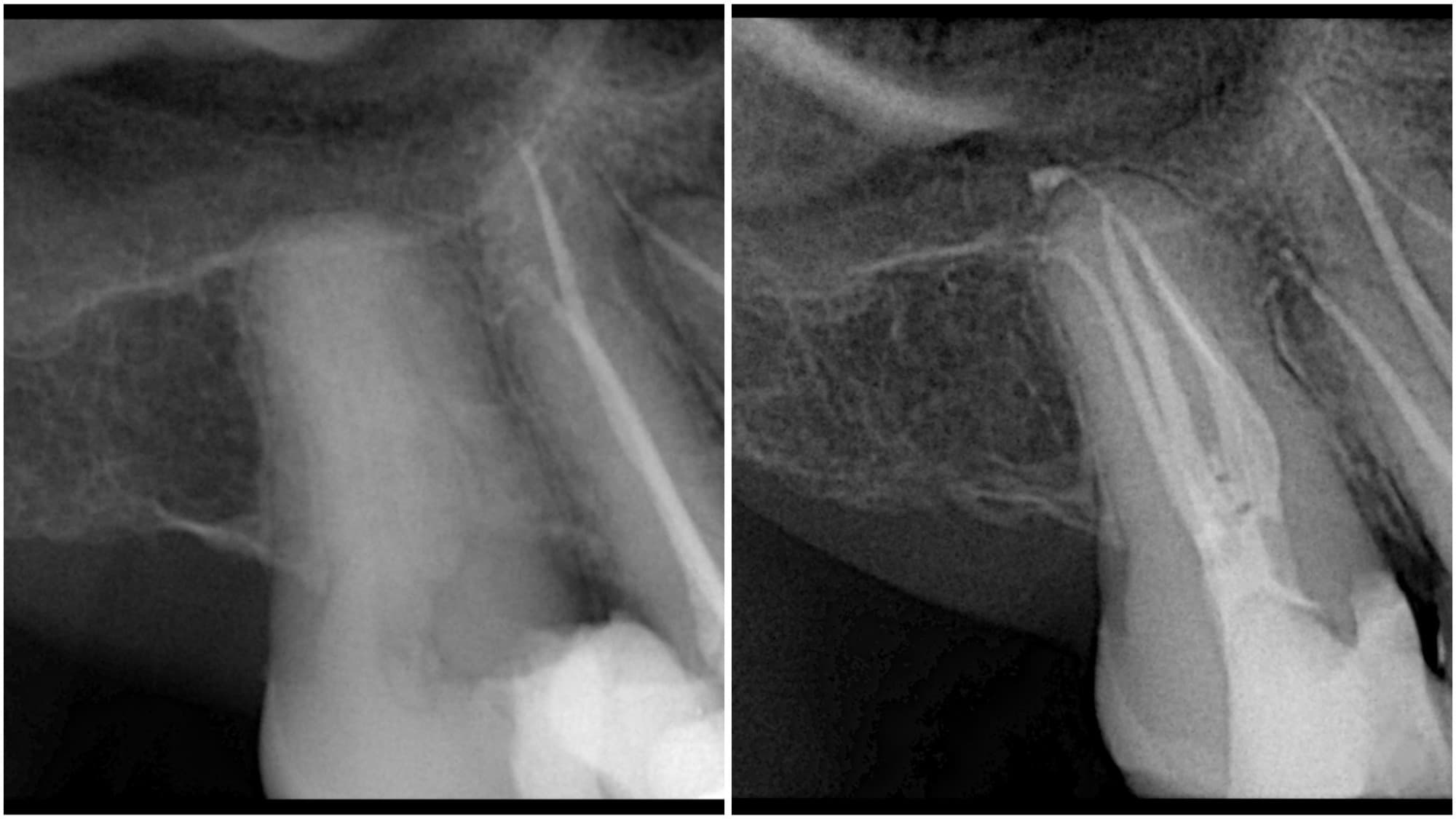
Root canal treatment — also called endodontic treatment — is discussed when decay, a fracture, or inflammation reaches the dental pulp. The aim is to clean the canals, fill them, and protect the tooth with a suitable restoration. Dr. Majed Sabbah uses dental magnification loupes when they help visualisation during treatment.
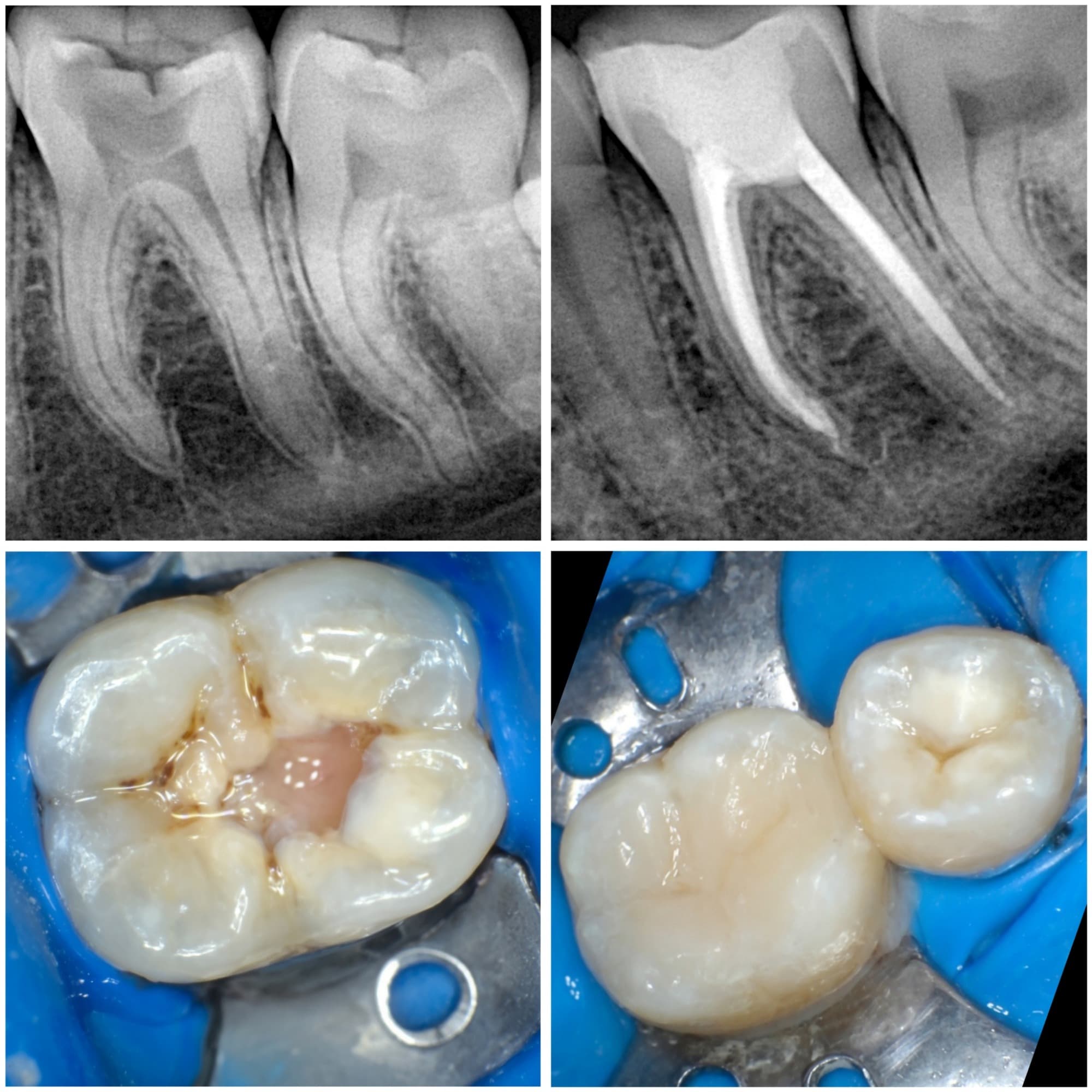
Mild discomfort can last a few days. Avoid heavy biting on the tooth until the final restoration is complete. Ongoing swelling or severe pain should be reviewed without waiting for the next scheduled visit.
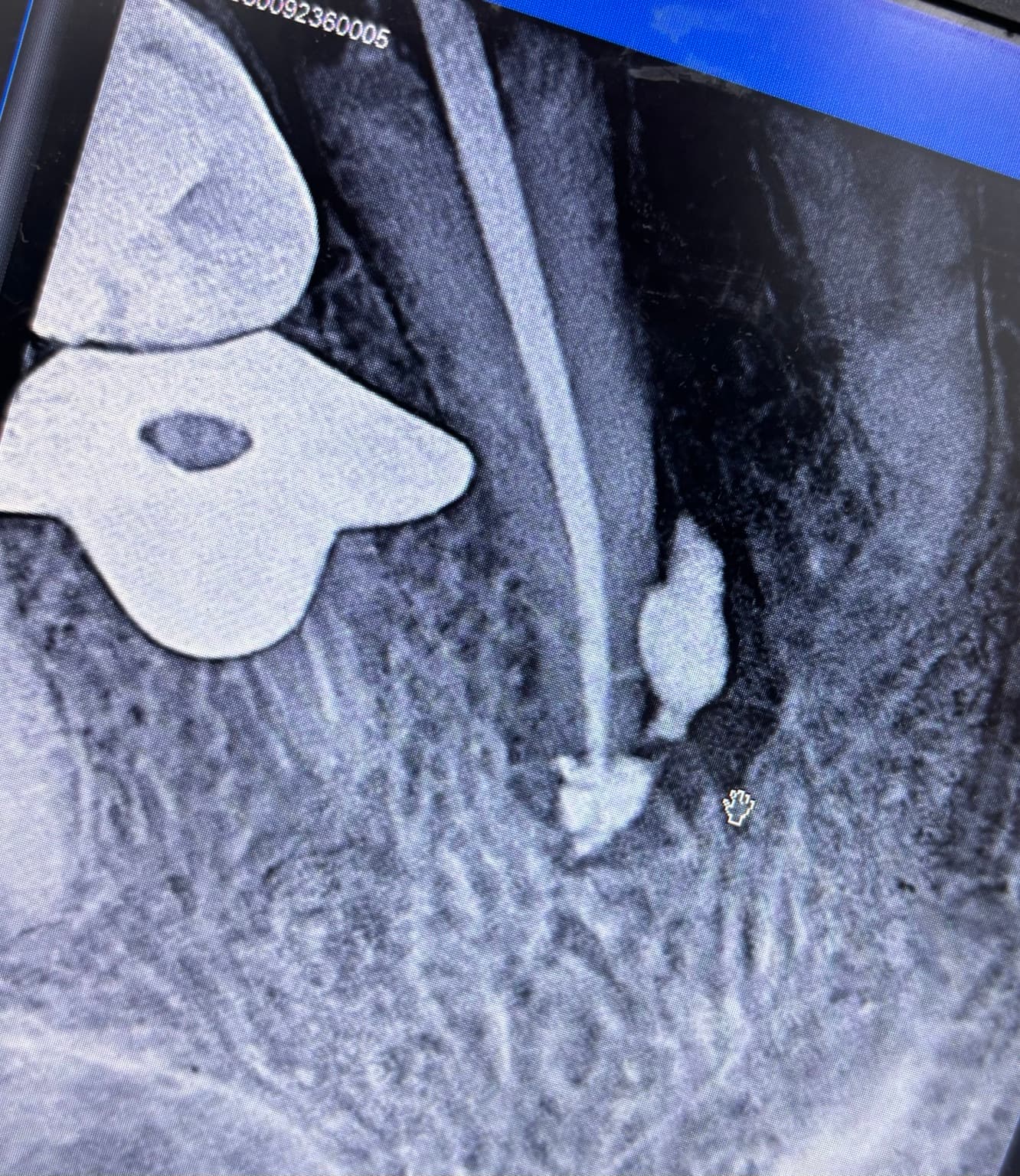
Medical note
Root canal treatment — endodontic treatment — does not succeed in every case. Some teeth later need retreatment or extraction. Diagnosis also distinguishes dental pain from pain that starts elsewhere. Many appropriate cases are treated with a rubber dam for isolation; some cases do not require it.
When the pulp is inflamed or infected, or when decay or a crack is so close to the nerve that a filling alone is not enough. The decision follows examination and imaging, not pain alone — some cases are silent.
It is carried out under local anaesthesia. Some people feel soreness afterwards. Tell the dentist if anaesthesia is not sufficient during treatment.
Restoring decay and small fractures while keeping as much natural tooth as possible.
Learn more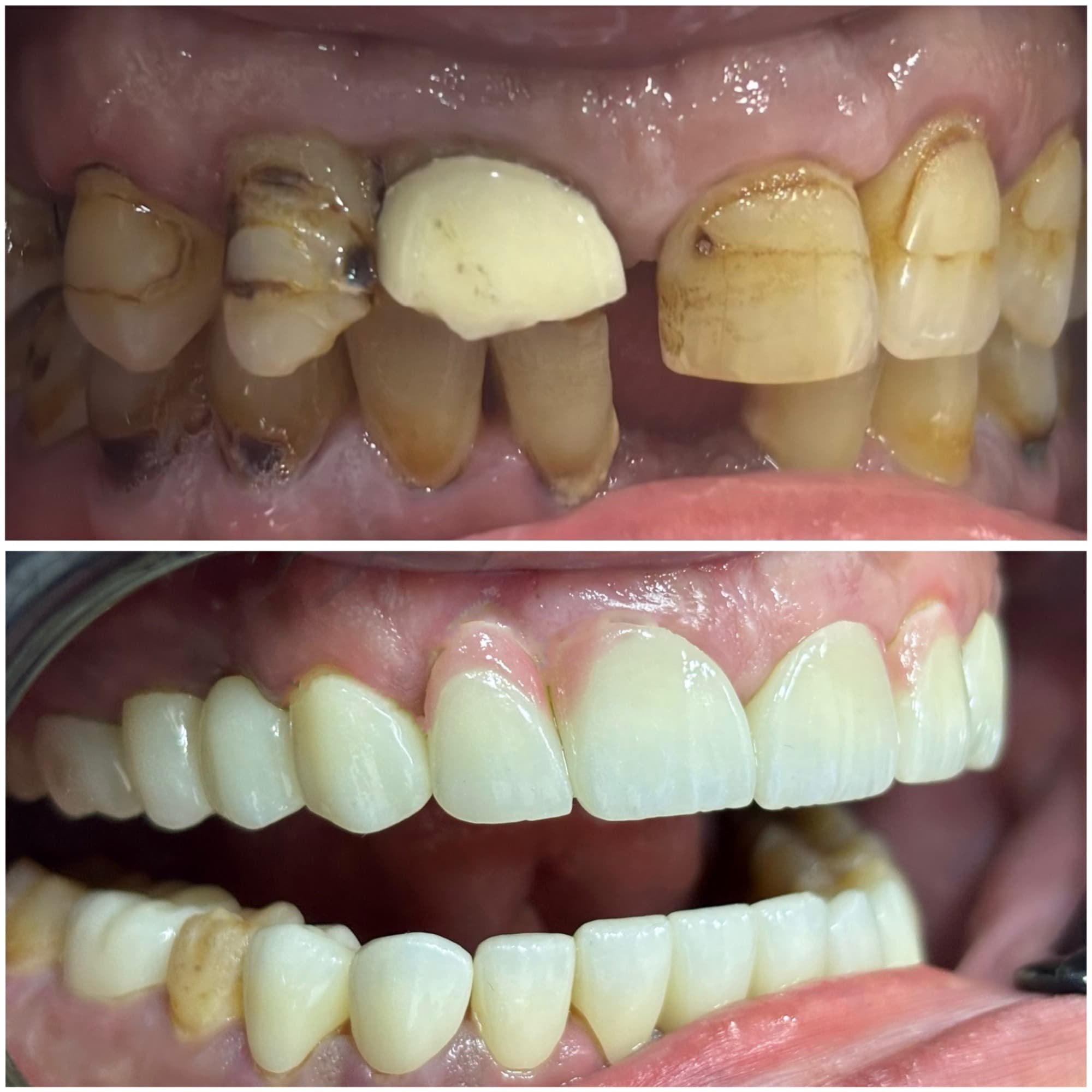
Fixed restorations to protect weakened teeth or replace a missing tooth when supporting teeth are suitable.
Learn more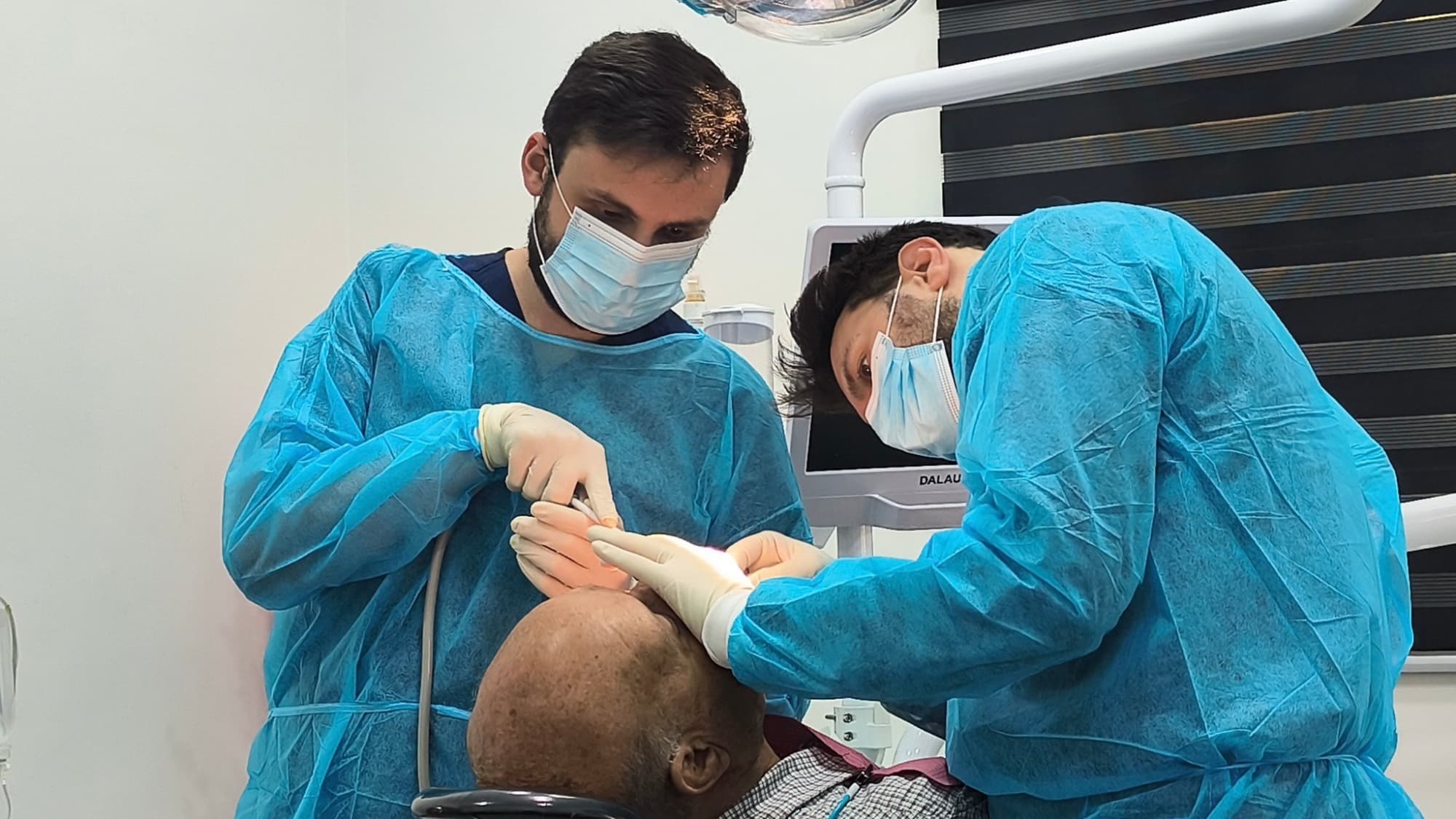
Tooth removal when keeping the tooth is not a safe option, with a discussion of replacement choices.
Learn more