
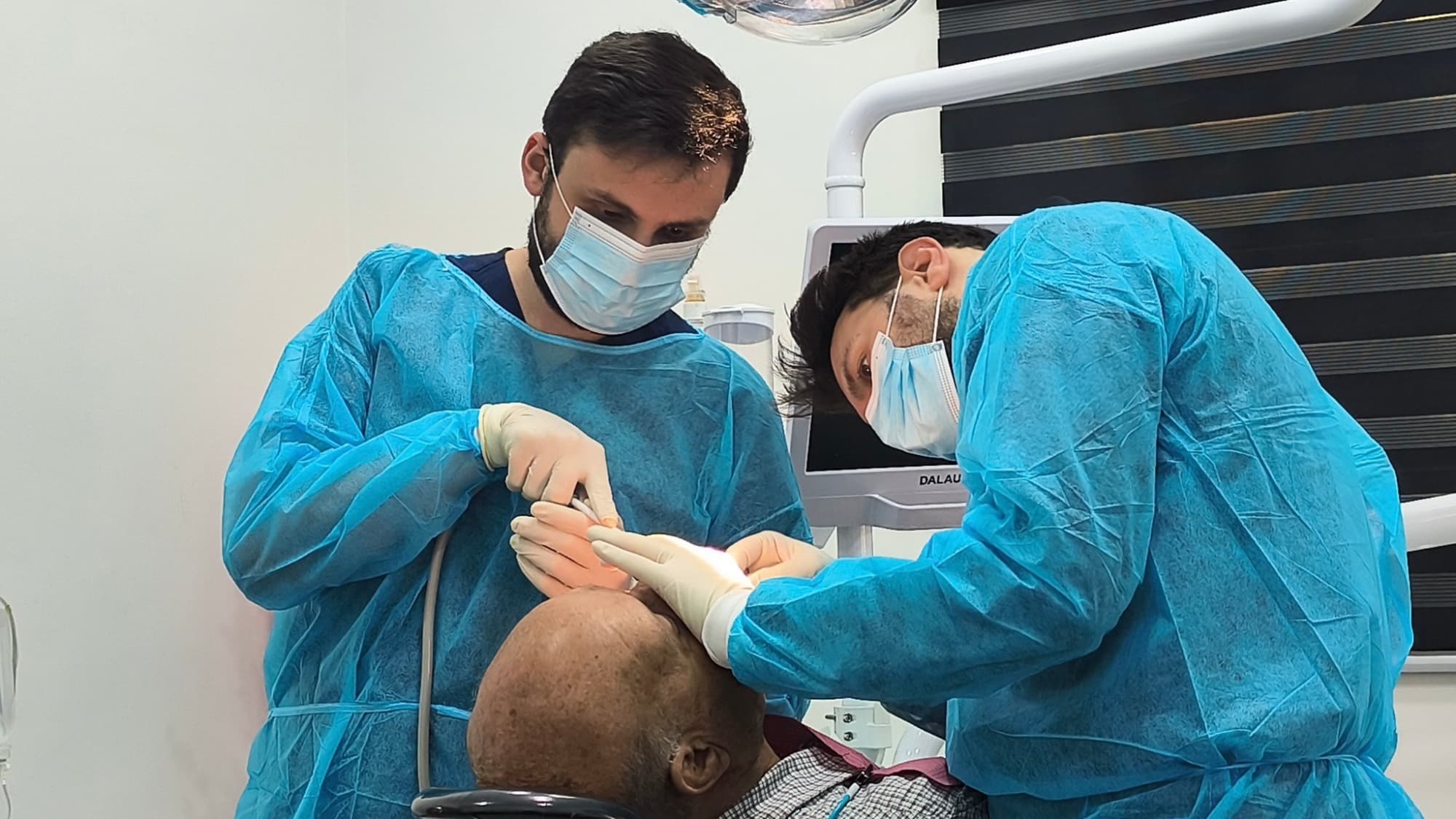
Tooth Extraction
Tooth removal when keeping the tooth is not a safe option, with a discussion of replacement choices.
Learn moreExtractions that need extra planning
Surgical extraction is planned when a tooth is impacted, broken below the gum, or has complex roots. It often includes a gum flap or limited bone removal, then sutures. Radiographic assessment is important before the appointment.
Swelling often peaks within two days. Use cold packs in the first hours if advised. Keep to softer foods and avoid strenuous exercise as instructed. Ongoing numbness of the lip or tongue should be reported.
Medical note
Proximity to a nerve or sinus increases complexity in some cases. Risks are explained before consent. Some situations may be referred if they exceed what can be provided in the clinic.
A simple extraction removes a tooth without a wide gum opening. A surgical extraction needs access through gum or bone because the tooth is not fully visible or has broken.
Most cases in a general dental clinic are done with local anaesthesia. General anaesthesia is not part of this clinic’s services. If it is required, a referral path is discussed.
Tooth removal when keeping the tooth is not a safe option, with a discussion of replacement choices.
Learn more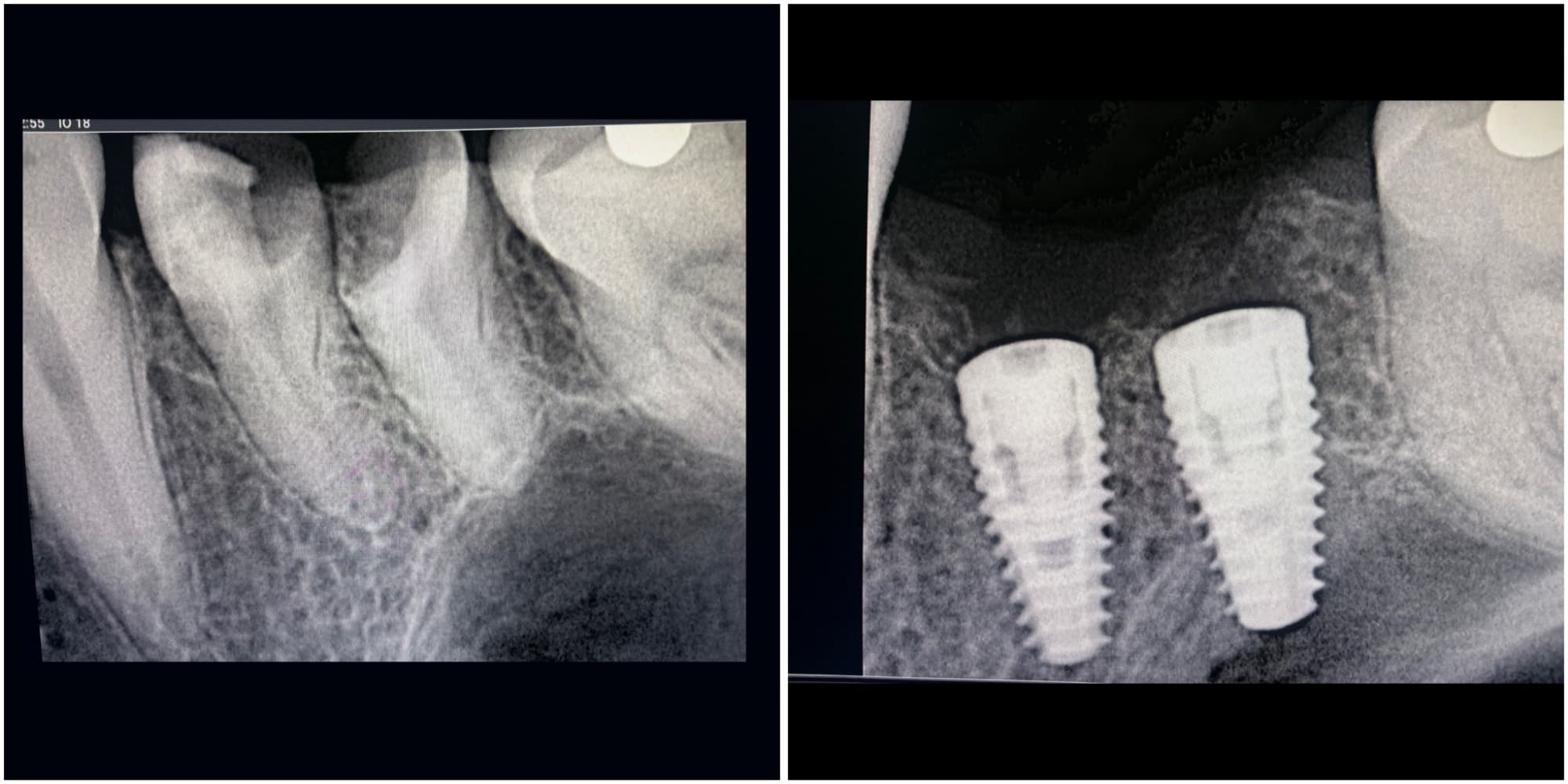
Clinical assessment of options for missing teeth, including implants when they are appropriate.
Learn more
Exposing extra tooth structure so a restoration can sit on healthy margins when decay or a fracture is subgingival.
Learn more